
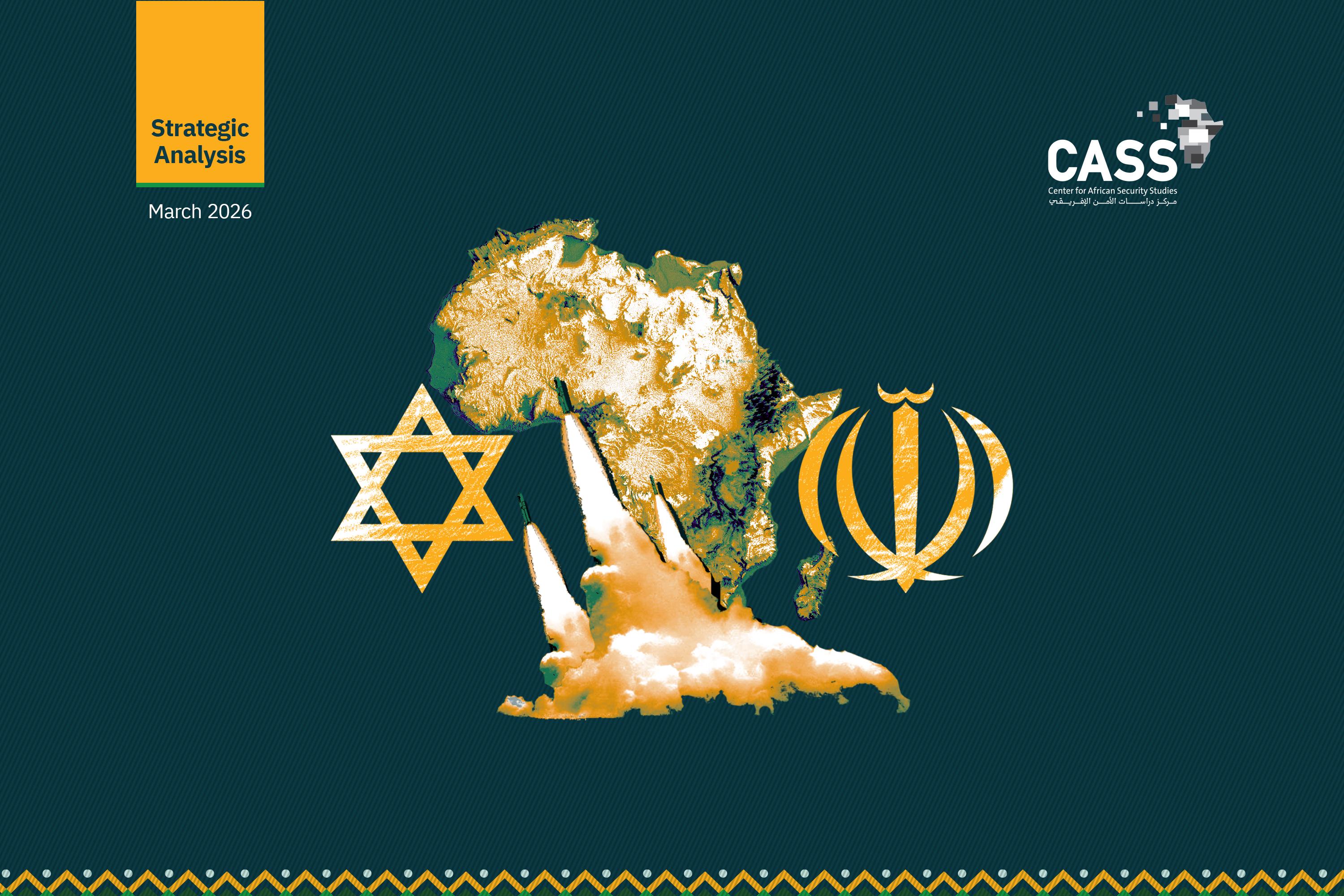
The Israeli-American war on Iran has already had dramatic geopolitical and economic impacts that reach far beyond the Middle East. Its repercussions are particularly pertinent in Africa, which is heavily reliant on the global economy and on international trade and energy routes.
Although Africa is not a direct battleground, the conflict has very real effects here, from energy markets and maritime security to geopolitical alignments and economic stability. Here are some scenarios for the near, mid and long terms.
Immediate Impacts
The most immediate effects of the war are evident in global energy markets. Tensions in the Gulf and the disruption of navigation through the Strait of Hormuz—the conduit for a fifth of the world’s crude oil and liquefied natural gas (LNG)—are rapidly hiking energy prices, which directly impacts most African economies, which rely on fuel imports.
Countries like Kenya, Senegal, and Morocco could face rapid increases in energy and transportation costs, leading to higher inflation and a decline in citizens’ purchasing power. That said, oil-exporting African countries such as Nigeria, Angola, and Algeria may benefit from higher prices, through increased government revenues. Yet this benefit may be limited by market volatility and rising insurance and shipping costs.
The second direct impact relates to maritime security. Tensions in the Gulf are prompting shipping companies to reassess international trade routes, potentially increasing pressure on alternative shipping lanes such as the Red Sea and the Suez Canal. This could raise shipping costs for African trade and affect import and export flows, particularly for countries on the continent’s east coast.
The Medium Term
Beyond its immediate effects, the war on Iran could have knock-on impacts for economic and strategic relationships within Africa. Higher energy prices may push many countries on the continent to accelerate their energy diversification programs, including investments in renewable energy and natural gas. This could also lead to increased international interest in African energy resources, especially the gas reserves of countries like Mozambique and Tanzania.
The war could also affect the priorities of major powers in Africa. Being bogged down in the Middle East may reduce U.S. and its allies’ political and military scope for focus on African issues, opening the door for other powers to strengthen their presence on the continent. This could include expanding their economic or security influence through bilateral partnerships or investments in infrastructure and energy.
On the other hand, continued tensions could disrupt global supply chains, particularly in food, fertilizers, and fuel. Given the reliance of many African countries on imports in these sectors, any prolonged disruption could exacerbate the economic and social pressures in importer nations.
Long-Term Implications
Over the coming years, the war could accelerate global geopolitical shifts that are already impacting Africa. If it leads to a reshaping of the international order or intensifies rivalries among major powers, Africa could become an even more important arena for that competition, both in terms of natural resources and strategic location.
Furthermore, repeated shocks to energy markets could prompt many African countries to reassess their economic strategies, precipitating moves to reduce their dependence on imported fuel or to promote regional integration in energy and infrastructure.
At the same time, new opportunities could emerge for African energy-producing countries to strengthen their role in the global market, especially if uncertainty in the Middle East persists.
Although the war in Iran and its neighborhood is unfolding beyond Africa’s borders, its economic and strategic repercussions clearly extend to the continent. The immediate effects are evident in rising energy prices and trade costs, which in the medium term could lead to shifts in investment and energy priorities.
Over the longer term, the conflict could reshape Africa’s position within the global geopolitical system. Therefore, the course of this conflict will be crucial in determining the economic and strategic environment in which African countries will operate over the coming years.