
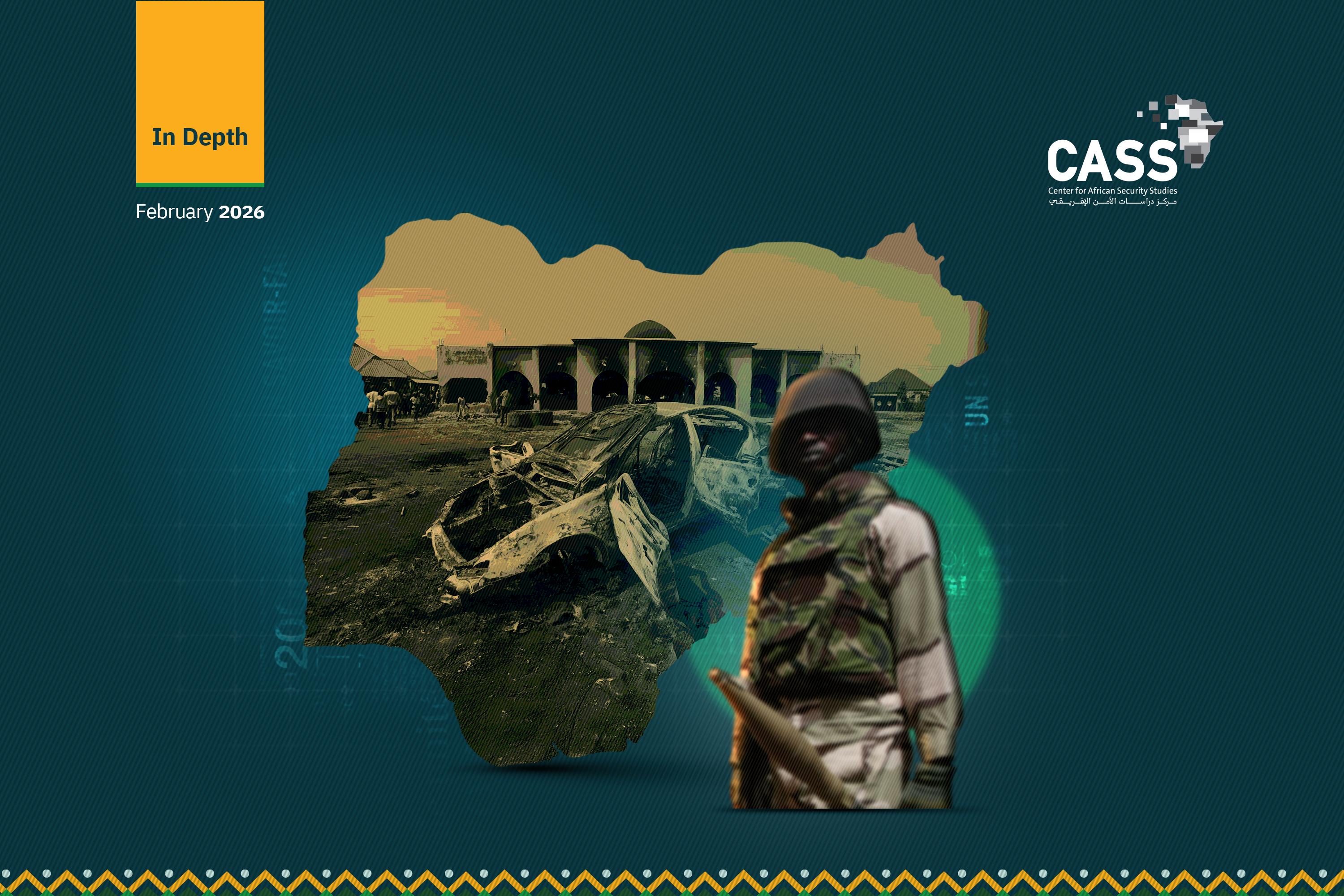
Chronic insecurity in the northern Nigerian state of Kaduna surged in the last week of January, as attacks escalated from ad hoc raids into organized, mass kidnappings targeting entire villages and religious institutions.
The village of Kurmin Wali is a prime example. Nearly a quarter of the village’s residents were abducted in recent attacks. This sparked a mass exodus, exacerbated by a lack of effective law enforcement or efforts to pursue the attackers in the rugged forest terrain.
Persistent attacks have now evolved beyond the traditional conflict between herders and farmers, instead taing the form of transnational criminal activity by gangs of bandits.
These gangs employ hit-and-run tactics to cut off supply routes to targeted villages, focusing on churches and residential complexes and aiming to secure substantial ransoms. Their success underlines the failure of the Nigerian army’s relatively new strategy of “aerial deterrence”: the kidnappers have adapted by moving around in small groups, which thermal cameras struggle to detect in the dense jungle.
The breakdown in security has brought farming activity to a complete standstill in one of Nigeria’s most important grain-producing states, foreshadowing a severe food security crisis that will have an impact on the capital, Abuja, in the coming months.
On the political level, the governor of Kaduna State is facing increasing public pressure and accusations of failing to protect Christian communities, fueling sectarian and ethnic polarization within the state.
Moreover, the transformation of kidnapping into a lucrative business threatens to unravel the social fabric, as families are forced to sell their meager possessions to secure ransoms for their loved ones, thus deepening structural poverty.
As the attacks continue, Kaduna has transformed into a gray zone, beyond the effective control of the state. The lack of solutions to the underlying security issues is likely to push local communities to form extra-legal self-defense militias, potentially stoking a civil conflict in the state.
Given the threat this poses to Chinese-financed infrastructure projects in the region, this could put external pressure on the Nigerian government to shift its military strategy entirely in the northwest.