
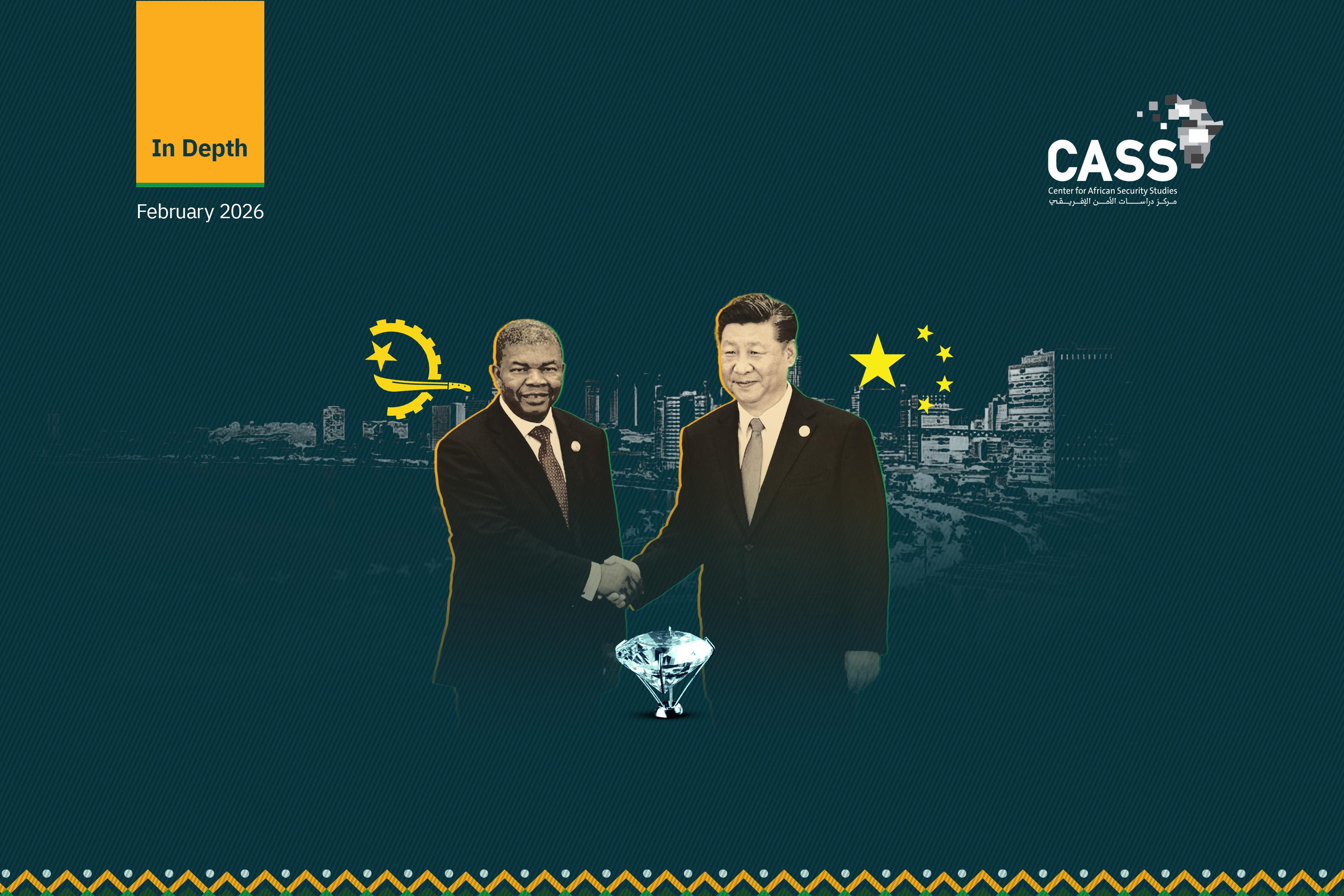
In early February, the Angolan government signed a series of major investment agreements with a group of Chinese state-owned companies, aimed at developing and expanding diamond mines in its eastern provinces, particularly Lunda Norte and Lunda Sul.
The move is part of a strategy by President João Lourenço’s to reduce the treasury’s dependence on fluctuating income from crude oil, which currently accounts for more than 90% of Angola’s export revenues, and to nurture the mining sector as a key driver of non-oil growth.
The agreements provide for investments estimated in the billions of dollars, to modernize extraction operations at the Catoca and nearby Luele (formerly Luaxe) diamond mines, which are among the largest in the world.
The deals include the use of advanced Chinese technologies for geological surveying and exploration at previously inaccessible depths, increasing the lifespan of mines by 20%. They also include a commitment to establish diamond processing and cutting centers within Angola rather than exporting the raw material, in order to maximize added value domestically and create technical jobs for Angolan youth.
Under the agreements, Chinese companies will also develop road and rail networks connecting the eastern provinces to the strategic port of Lobito, in order to facilitate exports.
The approach has strategic implications beyond gemstone extraction. By increasing diamond production, Angola aims to generate liquidity to help repay more than $17 billion it owes to China, with a portion of the anticipated revenues being used as collateral.
Luanda is also aiming to strengthen the hold of its state-owned mining company Endiama over the sector, reducing its traditional reliance on firms such as De Beers and Russian companies in favor of China, which provides financing linked to infrastructure projects.
The development of the traditionally neglected eastern provinces is also a political objective, aimed at alleviating their marginalization and reducing regional tensions that the opposition can exploit.
The latest agreements represent a lifeline for the Angolan economy amid fluctuating oil markets, but they also risk making Luanda increasingly dependent on Beijing.
Development of the diamond sector could position Angola as the world’s largest producer by 2030. Yet real success will also depend on the government’s ability to combat smuggling and ensure that revenues reach the public treasury rather than being captured by local corruption networks.
Strong Chinese involvement in the diamond sector could also provoke a backlash from Beijing’s Western rivals, placing Angola at the heart of the geopolitical competition for African resources.