
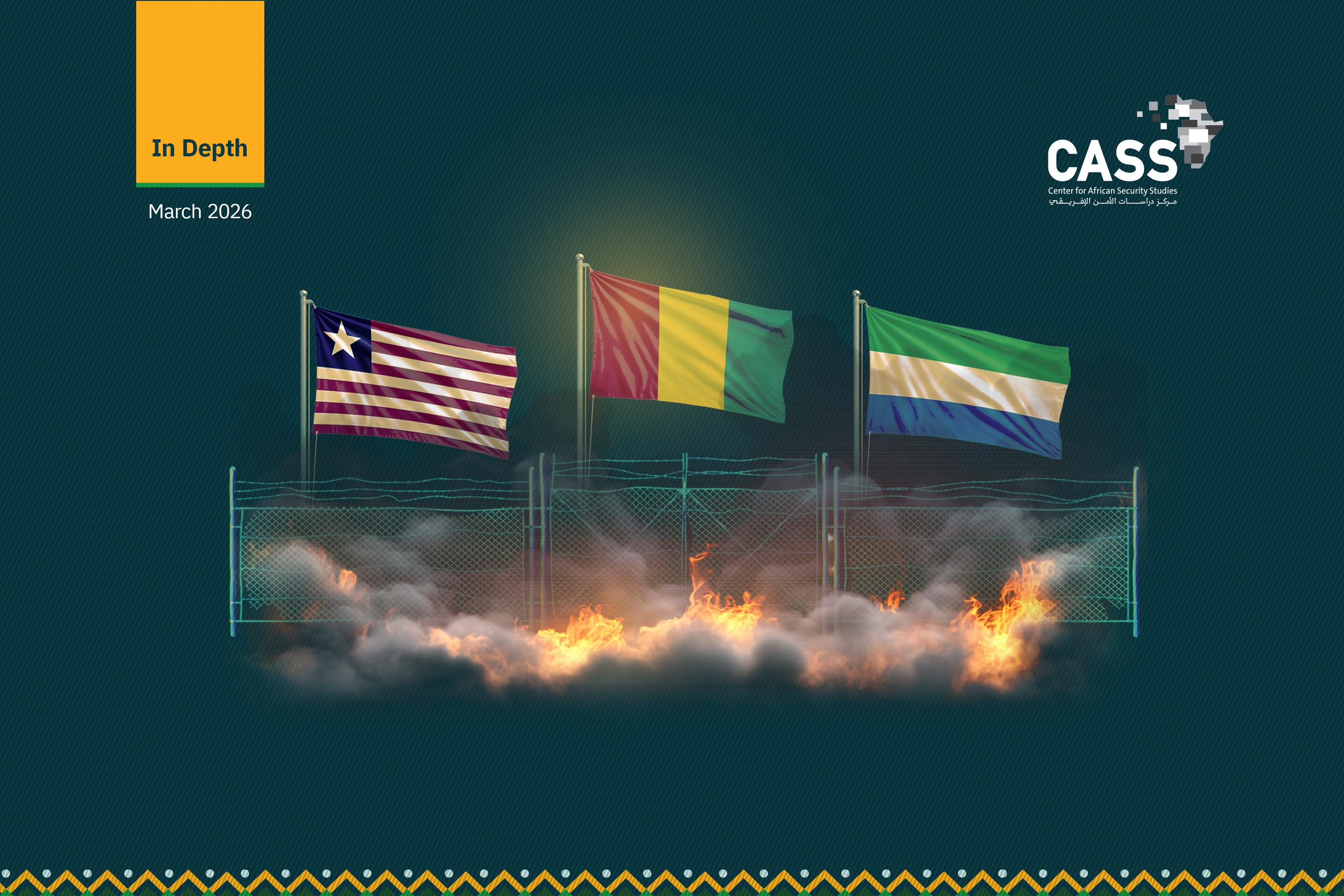
The Mano River has been the focal point of heightened tensions between three West African countries in recent days. Armed clashes and troop deployments along the waterway, which flows through Guinea and forms part of the Liberia-Sierra Leone border, have prompted the Economic Community of West African States (ECOWAS) to intervene diplomatically, sending a fact-finding mission to prevent further deterioration.
The tensions reflect a combination of unresolved colonial-era disputes, domestic political sensitivities, and local competition over borders and resources.
The escalation arises from several interlinked factors, most notably the historical dispute over the town of Yenga, on the Sierra Leonean side of the border with Guinea. That issue dates back to the Sierra Leone Civil War (1991–2002), when Guinean forces entered the area to support government forces against the rebels. However, they did not fully withdraw after the war ended, leaving the town as a point of contention between the two countries.
The second factor is a more recent development on the Guinea-Liberia border; namely Lofa County, the northernmost region of Liberia, which has accused Guinean forces of encroaching on its territory and raising the Guinean flag at a border post—an act Monrovia sees as a violation of Liberian sovereignty.
The border region between all three countries is historically sensitive due to poorly demarcated colonial-era borders, as well as the presence of tribal communities that straddle the frontier. The situation is further complicated by the presence of natural resources such as minerals and informal cross-border trade, in addition to mining activities near the frontier.
So far, the escalation remains geographically limited to the Yenga region, a historical flashpoint, and Lofa County, which has seen limited incursions and skirmishes between rival forces.
To date, the violence has been limited to tactical skirmishes, which have not escalated into large-scale military clashes. The three governments are continuing to pursue on diplomatic and regional channels to address the crisis, particularly through the mediation of the Economic Community of West African States (ECOWAS).
However, any uncontrolled escalation could threaten stability in the Mano River Basin, which was at the heart of interconnected civil wars in the three countries during the 1990s. Such a scenario could have grave implications for the region more generally.
The crisis is likely to proceed along one of three main trajectories:
1.Rapid diplomatic containment:This is the most likely scenario. ECOWAS has sent a fact-finding mission, and is mediating between the parties to prevent escalation. The organization has a track record of successfully managing similar border crises in the past.
2. Continued low-intensity tension:The crisis may continue in the form of sporadic clashes or limited displays of military force along the border, particularly in the Yenga region, in the absence of a decisive settlement to the border dispute.
3.Limited military escalation:This is a less likely scenario, but remains possible, especially in the case of recurring firefights or military incursions. In case, clashes could develop into limited confrontations between border units, although this could spark a rapid regional intervention to contain the situation.
Overall, the latest escalation does not constitute a major military crisis—yet. However, it highlights the fragility of border arrangements in the Mano River Basin region, where the hangovers of past civil wars and unresolved colonial-era conflicts continue to influence relations between the three countries. In light of the prompt intervention by ECOWAS, the conflict is likely to remain within the realm of limited tensions, unless fighting on the ground escalates or the issue becomes a domestic political issue in one of the countries involved.