
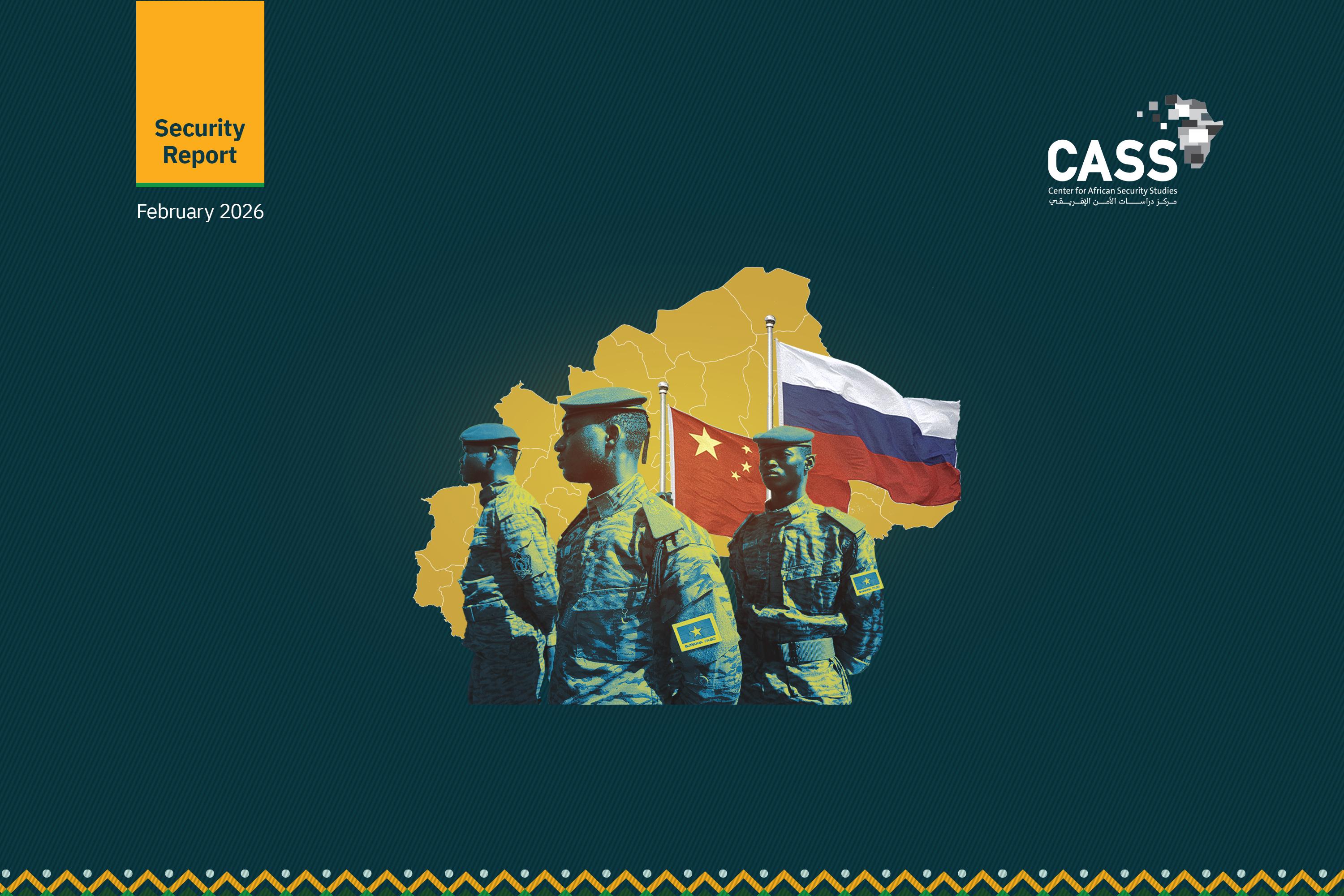
In mid-February, a joint delegation from Chinese arms manufacturer Norinco and Hong Kong-based security company Frontier Services Group arrived in Burkina Faso to conduct a security assessment of the Loumbila military base, northeast of the capital Ouagadougou.
The delegation’s visit was to pave the way for the transfer of military and logistical equipment, including vehicles, armored personnel carriers, and other armoredx vehicles, to support the Burkinabe army’s armored, missile, and air defense units. A second batch of PLL-05 self-propelled gun-mortars, part of a previously agreed deal between Ouagadougou and Beijing, was also scheduled to arrive in mid-March.
Technical committees from both companies are set to oversee the training of specialized Burkinabe army units to operate the weapons, as well as maintenance and logistical support teams to keep them in service.
During the visit, the delegation also toured the headquarters of the Russian Africa Corps in the Loumbila region, where Russian and Chinese officials agreed to implement joint training programs for Burkina Faso army officers and personnel.
This coordination effort reflects the growing level of Chinese engagement in the Sahel and Beijing’s desire to strengthen its security and military foothold alongside its economic investments in the region.
This repeats a regional cooperation model that began in Mali with the supply of VN-22 armored fighting vehicles and the establishment in February of a factory to produce explosives for use in mining. The same model is likely to be repeated in Burkina Faso, linking military support to gold and lithium mining projects.
The Burkinabe government is relying on its partnership with China as a strategic ally that could offer a route out of its international isolation. Ouagadougou faces growing international pressure due to security competition among major powers, making the risk of international polarization a constant threat to the stability of the government.
China’s shift from supplying arms to training troops, in coordination with Russian forces in Burkina Faso, represents a fundamental transformation in the conflict raging across the Sahel. The Chinese presence at the Loumbila base reflects Beijing’s desire to protect its future investments in the mining sector through direct involvement in developing the capabilities of the local army.
Such “hybrid alliances” of Chinese technology and Russian protection offers Sahel countries comprehensive security options independent of the West, but it also transforms the region into an open arena for intelligence and military confrontation between major powers.