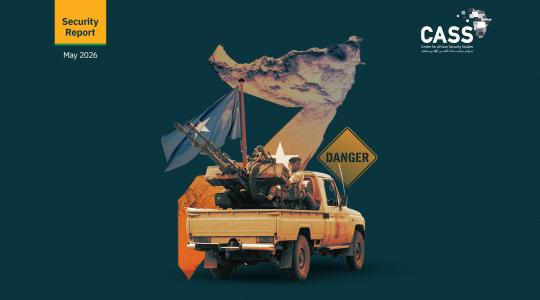

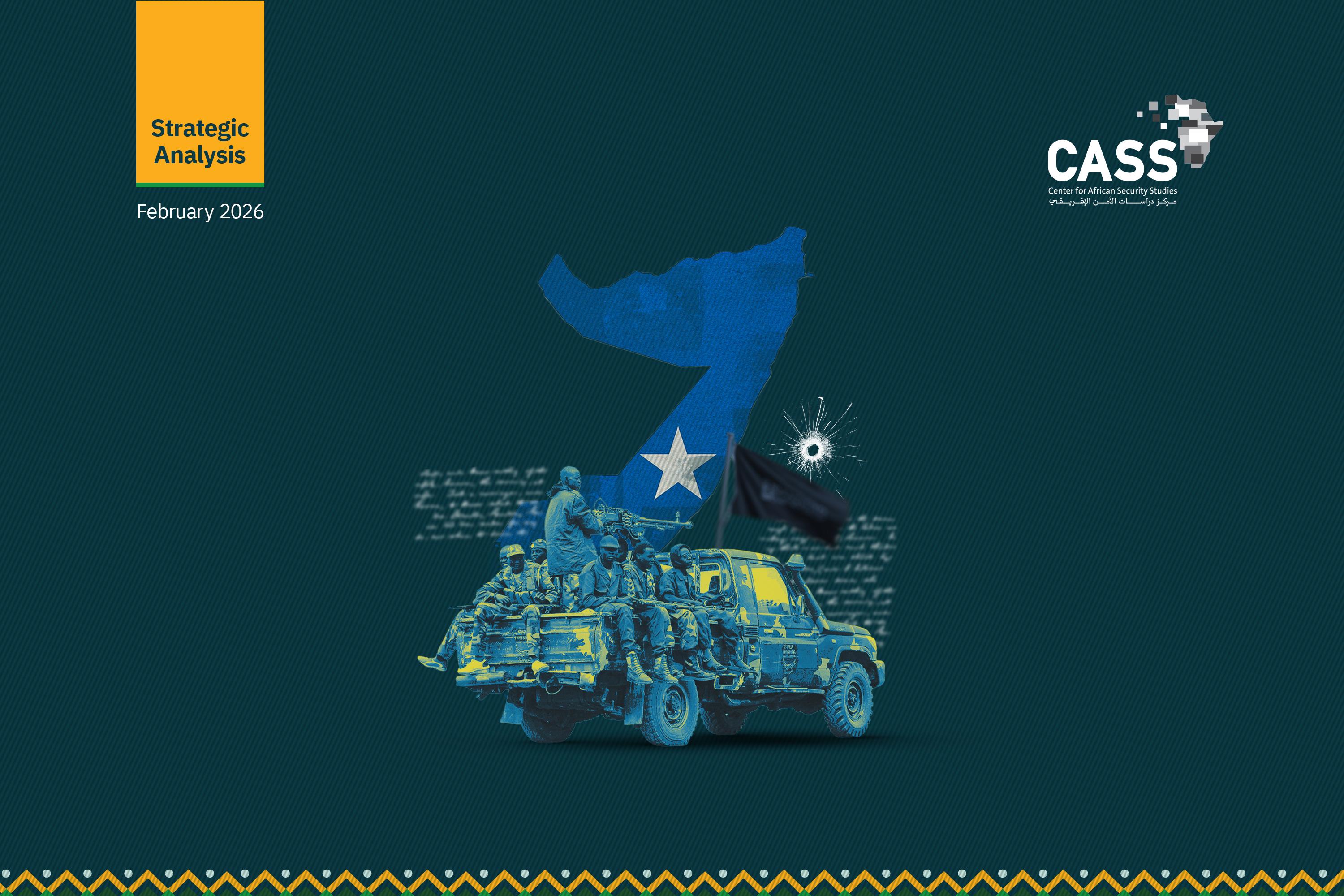
Since late 2025, Somali jihadist movement Al-Shabaab has regained control of strategic towns and villages in the Galgaduud and Hiran regions north of Mogadishu, notably the town of Ceeldheer, the villages surrounding Mahas, the town of Wagah, and the hinterland of Ceelbuur.
These advances followed a tactical withdrawal by African Union forces as part of a handover plan, and as a result of surprise attacks against the bases of local forces known as the Macawisley, which lacked sufficient air cover. This allowed Al-Shabaab to re-establish checkpoints and collect “tax” revenues in these key pockets of territory.
Control of these areas in central Somalia is of paramount strategic importance, as they represent a geographical link between Mogadishu and the North. Controlling towns in the Galgaduud and Hiran regions effectively enables Al-Shabaab to cut off a vital road artery between Mogadishu and Garoowe, the capital of Puntland (northeastern Somalia)—i.e. the main route for commerce and military supplies.
Furthermore, gaining a foothold in these areas gives the movement freedom of movement in a rugged, difficult-to-monitor region, and could allow it to transform these towns into launchpads for long-range attacks towards the capital, Mogadishu, or the provinces bordering Ethiopia.
For its part, the Somali National Army—bolstered by a delivery of state-of-the-art Turkish equipment that arrived in February—has continued to conduct targeted strikes on the Hiran and Galgaduud regions. This coincides with an escalation in U.S. and Emirati airstrikes targeting Al-Shabaab weapons depots and the hideouts of the group’s mid-level leadership, thus limiting its ability to amass enough forces in one place for large-scale attacks on major cities.
The movement also faces another threat from the rival jihadists of the Islamic State movement (IS). While Al-Shabaab enjoys a significant advantage in terms of size and influence, the threat posed by the international extremist movement has increasingly disrupted the Somali group’s calculations and undermined its internal cohesion.
IS is attempting to wear down Al-Shabaab’s human resources by tempting its leaders and lower-level personnel to join its own ranks, and by competing for the loyalty of Somali clans and local groups. In some areas of Puntland, the two sides are in a bitter rivalry for protection money from businesses and shops, weakening Al-Shabaab’s ability to monopolize such revenues in those areas.
Furthermore, increased IS activity in Somalia has placed the region under intense aerial surveillance, which restricts the freedom of movement of Al-Shabaab militants operating there.
Where is the Conflict Heading?
In light of the current situation, here are some possible scenarios for the confrontation with Al-Shabaab over 2026:
1. Mutual Attrition
The status quo remains in place, with the government in control of the major cities and highways. Al-Shabaab maintains its influence in rural areas and the interior, while continuing its suicide attacks in Mogadishu. This scenario, the most likely of the three, assumes continued international military support for the government, but without it achieving a decisive military victory.
2. The Gradual Collapse of the Movement
The government succeeds in gaining the full loyalty of the clans and overcoming differences with states beyond the center, severing Al-Shabaab supply lines and besieging it in isolated pockets. This scenario might push a faction of the movement toward engaging in political negotiations with regional mediation.
3. Al-Shabaab Expands Strategically
The movement exploits a collapse in the Somali political consensus and the preoccupation of international powers with other issues to launch coordinated attacks to regain control of secondary ports or strategic towns near Mogadishu, creating a complex security situation that threatens the legitimacy of the federal government.