
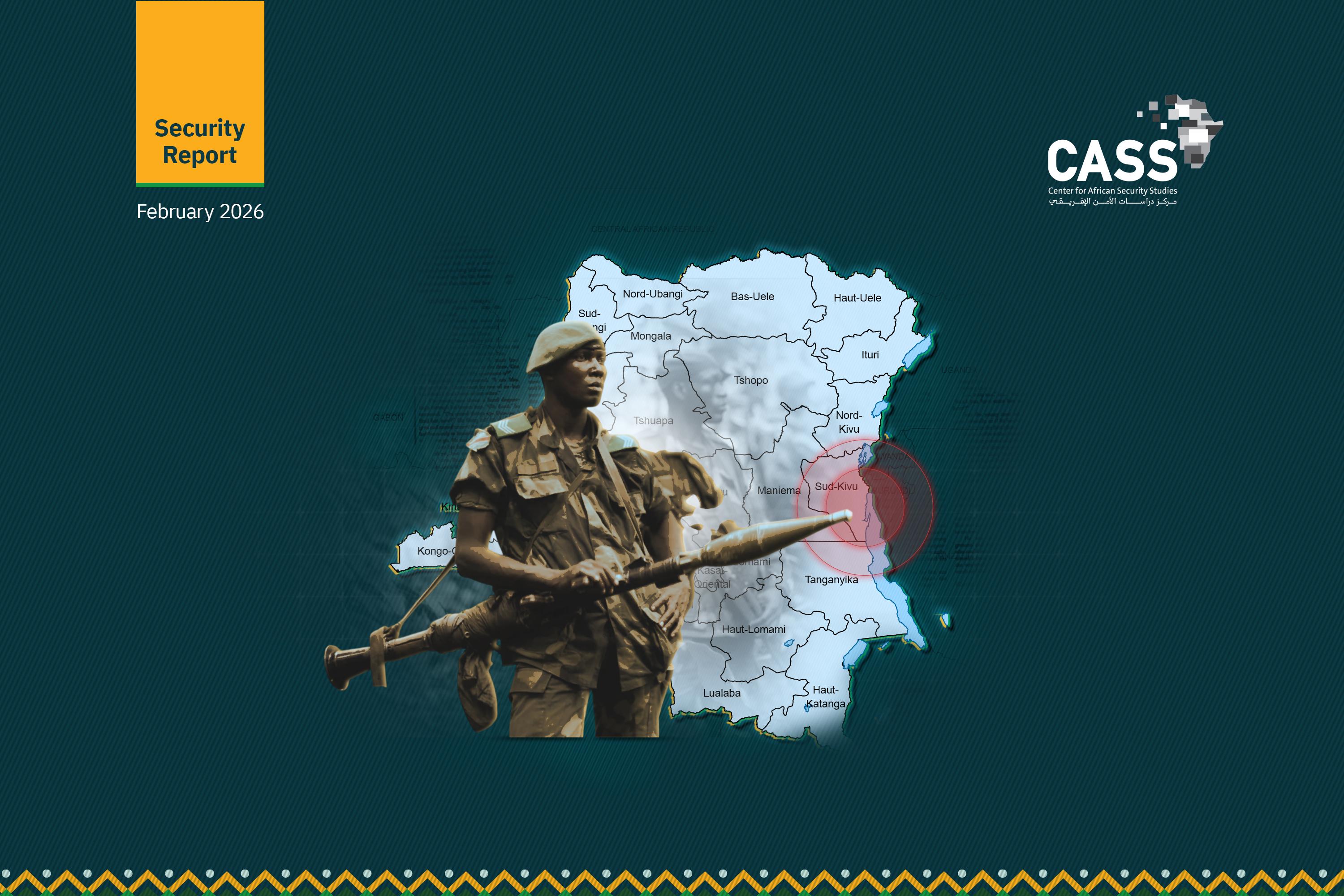
In late January, Congolese government forces regained control of the strategic city of Uvira in South Kivu province, following the sudden withdrawal of the M23 rebels. The rebel group, primarily made up of ethnic Tutsis, is active across the eastern Democratic Republic of Congo. Kinshasa and the United Nations accuse neighboring Rwanda of backing it.
The army’s seizure of the key city on the shores of Lake Tanganyika came was the result of intense international and regional pressure on the movement’s military leadership and its alleged backers, aimed at averting a humanitarian catastrophe in the city, which serves as a vital lifeline connecting Eastern Congo to neighboring countries like Burundi and Tanzania, via the vast waterway.
Units from the Armed Forces of the Democratic Republic of Congo (FARDC) units began deploying in the city’s main neighborhoods and administrative centers in January, immediately after the last rebel vehicles withdrew toward the surrounding hills, in the Masisi National Park.
While the two sides did not engage in direct clashes as the army entered the city, tension remains high; government forces remain on the defensive, and highly vigilant against potential counterattacks.
The military importance of Uvira lies in its strategic location, controlling National Highway 5. Securing this key artery is crucial to preventing South Kivu province from being cut off from the capital, Kinshasa, and supply centers in the country’s south.
The siege imposed by the M23 until it withdrew had paralyzed the city, the effects of which have persisted even since the army returned. Bank transfers have come to a complete halt due to the disruption of secure communication networks and financial institutions’ fears of looting; this has deprived thousands of employees and workers of access to their savings and salaries.
In terms of trade, the closure of land routes has led to a dramatic spike in the prices of basic commodities and a severe shortage of fuel and medical supplies.
From a security perspective, the tactical withdrawal of the M23 fighters cast doubt over the nature of the international agreements that led to this outcome. The movement was not militarily defeated: rather, it simply repositioned itself in the nearby highlands, leaving the city vulnerable to M23 sniper and artillery fire.
What is more, the administrative vacuum created by the siege gave rise to other local militias in the city’s outlying neighborhoods, posing an additional challenge to the army as it seeks to maintain internal security and prevent ethnically motivated reprisals.
The recapture of Uvira represents a victory in terms of morale for the government in Kinshasa, but it will remain a fragile one unless it can secure the city’s northern entrances and lift the economic blockade. The continued disruption of banking services could lead to widespread social unrest in Uvira, which could potentially be more dangerous than the direct military threat. The liquidity crisis is hindering residents’ ability to resume normal lives, a situation that armed groups could exploit to recruit disaffected youth.