
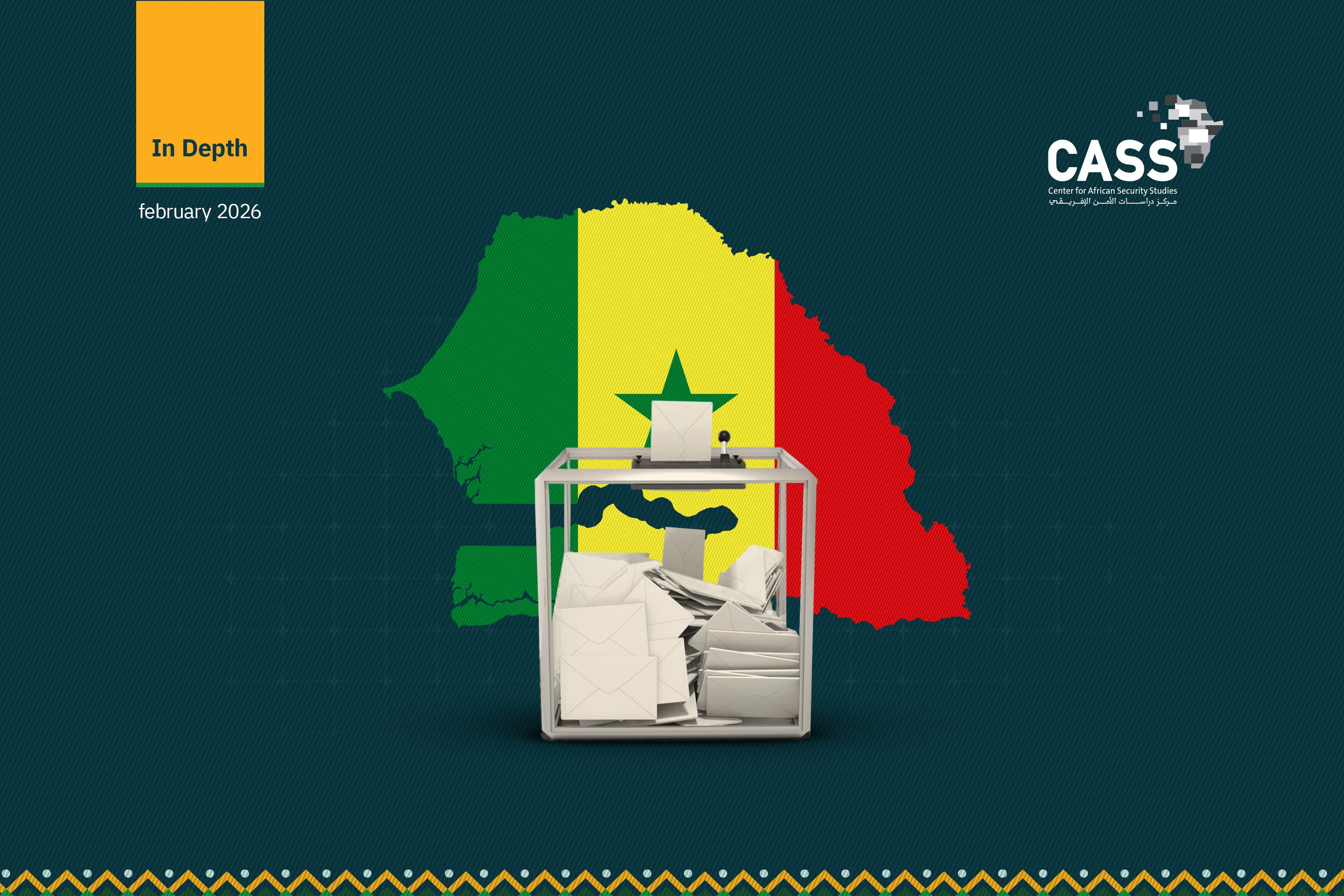
Senegal’s government has announced that delayed local elections are to be held in June, a move aimed at breaking a long-running political deadlock and defusing opposition anger, which recently boiled over onto the streets of the capital Dakar.
The February announcement comes after a wave of angry anti-government demonstrations demanding respect for the democratic timetable and an end to the country’s political crisis, which has posed an existential test for the “Senegalese exception”—the country’s reputation as a stable democracy in West Africa.
The authorities in Dakar appear to have realized that further postponing the elections is no longer an option. Three main considerations help explain the announcement of June polls:
· The desire to undermine opposition leaders, who have successfully mobilized thousands of young people under the slogan of “protecting the constitution.” Setting a date for polls is seen as a way to redirect the energy of popular anger from street protests toward preparations for elections.
· Calming investors’ nerves. Senegal, which recently began producing gas and oil, is seeking to reassure international allies and investors that its state institutions are capable of managing political disputes and avoiding the kind of coups and attempted coups that have plagued its neighbors in the Sahel region.
· Timing. Scheduling elections for June, four months away, gives the ruling Patriotes africains du Sénégal (PAS or PASTEF) party time to regroup and reorganize in the provinces. This is especially important given the emergence of young opposition figures who could threaten its traditional control over major municipalities.
Despite a cautious welcome from some political forces, the government’s announcement poses new challenges. Large segments of the opposition question the interior ministry’s ability (or desire) to organize transparent elections, and are demanding oversight from a completely independent body in order to ensure that results are not tampered with, particularly in opposition strongholds.
The June polls are likely to represent a “popular referendum” on the central government’s performance. A sweeping opposition victory in Dakar, Ziguinchor, and other urban centers would effectively start the countdown to a change of power at the top.
Meanwhile, calm on the streets remains contingent on the government’s commitment to proceeding with the elections without putting in place new legal or administrative obstacles that could trigger a second wave of more violent unrest.
By announcing a June election date, the Senegalese government has taken a calculated risk, opening the way to a possible political solution, while also putting its own legitimacy to the test.
The coming months are likely to see sharp polarization. The government will attempt to leverage its economic achievements—particularly in the energy sector—for electoral gain, while the opposition will focus on demands for social justice and institutional reform.
If Senegal does succeed in navigating the June elections peacefully, this will reaffirm the strength of its democratic system. Any further setbacks could plunge the country down a much bleaker path, one that could threaten its historical stability.