
In recent weeks, South Africa has been witnessing a new wave of tensions related to foreign migrants, which has brought back to the fore the issue of "xenophobic violence" — one of the most sensitive files in the country since the end of the apartheid era.
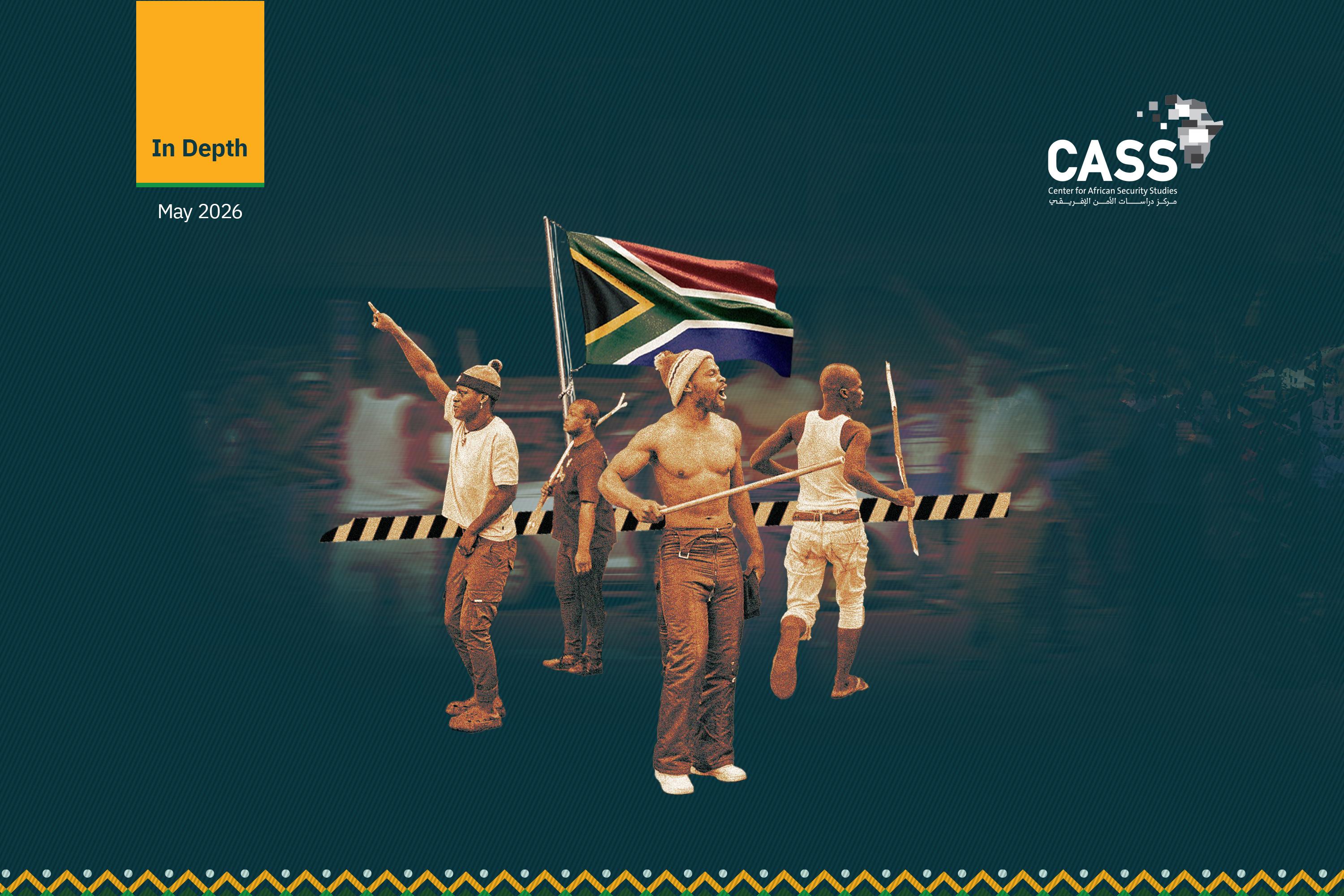
The current crisis revolves around a surge in popular protests demanding stricter immigration measures and the deportation of undocumented migrants, against a backdrop of deteriorating economic and social conditions. This has led to incidents of assault and threats against African migrants, particularly those from Nigeria, Zimbabwe, Malawi, Mozambique, and Ghana.
The roots of the crisis lie in long-standing accumulated grievances related to economics, unemployment, and regional migration. Since the end of apartheid in 1994, South Africa has become the largest economic destination in sub-Saharan Africa, attracting major waves of migrants from neighboring and other African countries — whether for work, asylum, or small-scale trade. However, this influx coincided with rising rates of unemployment, poverty, and crime within the country, creating fertile ground for narratives that hold migrants responsible for economic decline.
Data from recent years shows that the phenomenon of violence against foreigners is not new: the country has witnessed violent waves in 2008, 2015, and 2019, involving killings, looting, and the burning of migrant-owned shops. More than 60 people were killed in the 2008 unrest alone, and the authorities were forced to deploy the army to contain the crisis.
In recent years, populist groups and pressure movements such as Operation Dudula have emerged, adopting a hardline discourse against undocumented migrants, linking their presence to rising crime, unemployment, and pressure on health and social services.
The influence of these groups has gradually expanded into poor neighborhoods and low-income labor areas, capitalizing on widespread public frustration with the government and its failure to address economic crises.
In recent days, major cities such as Johannesburg and Pretoria, along with several areas in Gauteng, have witnessed protests and marches demanding stricter immigration restrictions, amid calls to expel undocumented migrants and shut down foreign-owned shops. The tense atmosphere has led to recorded assaults and threats against foreigners, in addition to the spread of video footage showing harassment and targeting of African migrants.
In a notable development, Nigeria announced that at least 130 of its citizens had requested voluntary repatriation from South Africa due to security concerns related to the recent protests. The Nigerian government also summoned the South African chargé d'affaires to express "deep concern" over the developments, while Ghana and other African countries urged their nationals to exercise caution.
In response, the South African government attempted to contain the crisis by asserting that the protests do not reflect "xenophobia," but rather express public anger over irregular migration, while pledging to confront any acts of violence or incitement.
The current crisis carries multiple dimensions that go beyond the immediate social aspect. Unemployment in South Africa exceeds 30%, with high levels among young Black South Africans, making migrants an easy target for accusations of "stealing jobs" and competing in the informal economy and public services.
Moreover, the growing activity of populist anti-migrant groups raises the risk of a shift from sporadic protests to organized or semi-organized violence, particularly in poor neighborhoods and areas with security vulnerabilities.
The issue has also begun to be exploited in domestic political competition, with some forces seeking to leverage popular anger electorally through a nationalist or protectionist discourse against foreigners.
These tensions have begun to affect South Africa's relations with important African countries such as Nigeria, Ghana, and Zimbabwe, as continental criticism of Pretoria over the protection of African migrants intensifies.
In the short term, sporadic tensions are likely to continue, especially if protest campaigns against migrants persist or if new incidents of killing or assault occur. The country is also expected to see increased security measures in major cities, along with the possibility of broader crackdowns on undocumented migrants to contain public anger.
In the medium term, the greater risk lies in the transformation of the anti-foreigner discourse into a more entrenched political and social phenomenon. This could lead to an escalation in limited civil violence, an expansion of populist pressure group activity, a deterioration of South Africa's image within Africa, and a rise in diplomatic tensions with migrant-sending countries.
Although South African authorities remain capable of containing the situation from a security standpoint, the absence of genuine economic solutions and the persistence of high unemployment and poverty rates mean that the root causes of the crisis will remain, with a high likelihood of recurring waves of violence against migrants in the future.